April is Autism Awareness Acceptance Month, and while awareness has come a long way, there’s still a huge gap in understanding, especially when it comes to those who are considered “high-functioning.”
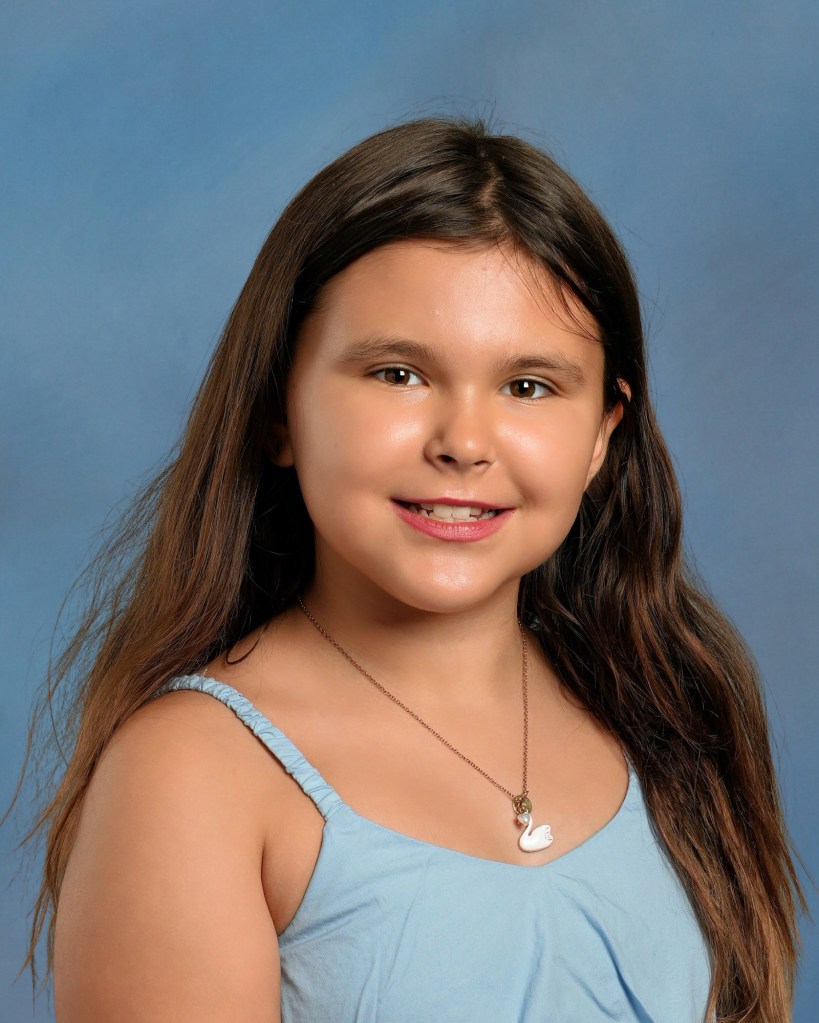
Back in 2024, Alyssa was diagnosed with autism. She is what many would call “high-functioning,” and on the surface, that might seem like a good thing. People assume it means her autism is mild. Manageable. Easier.
But the truth is, in my opinion, “high-functioning” can be one of the most misleading labels out there. What people don’t see is how much of her struggle is hidden, internalized, and often masked.
Alyssa doesn’t usually “look” like she has autism. She can communicate, she can learn, and in most moments, she can blend in. But that’s exactly why so much gets missed. Her challenges aren’t always obvious…they show up in ways that are easy to misunderstand.
They look like defiance.
They look like attitude.
They look like a child who just “won’t listen.”
But that’s not what’s really happening.
When Alyssa refuses to do something, it’s often not about being oppositional—it’s because something feels overwhelming, confusing, or completely out of her control. When she reacts strongly, it’s not because she’s trying to be difficult, it’s because her nervous system is overloaded.
Autism, especially in kids like Alyssa, is a hidden disability.
As Courtney has gotten older, it’s hard to miss that she has a severe disability. She may be in a special needs stroller, her diaper may be visible, or she may make sounds that stand out. Her needs are seen.
For Alyssa and others like her, there’s no cast, no visible marker, nothing that signals to the outside world, this is hard for her. And because of that, expectations are often higher, patience is often lower, and support is sometimes withheld.
People see what she can do and assume she should be able to do it all the time.
But autism doesn’t work like that.
Skills can be inconsistent. One moment she may seem completely capable, and the next, something small can completely derail her. Transitions, social misunderstandings, sensory overload—these aren’t minor inconveniences for her.
As most people know, Courtney wears headphones 24/7. What many may not realize is that Alyssa’s sensitivity to noise is actually even greater.
These are real barriers. And when those barriers aren’t recognized, her behavior gets labeled instead of understood.
That’s one of the hardest parts.
Because behind every meltdown, every shutdown, every moment that looks like noncompliance, there’s a reason. There’s a need. There’s a child trying to navigate a world that doesn’t always make sense to her.
Awareness isn’t just about recognizing autism when it’s obvious. It’s about understanding it when it’s not. It’s about looking beyond behavior and asking, what’s underneath this?
And most importantly, it’s about giving kids like Alyssa the same compassion and support we would offer any other child who is struggling, even if we can’t immediately see why.
Autism doesn’t always look the way people expect. But that doesn’t make it any less real.
And it definitely doesn’t make it any less hard.
Sometimes, the kids who look “fine” are the ones working the hardest just to hold it together.
 Autism: A Little Wild